
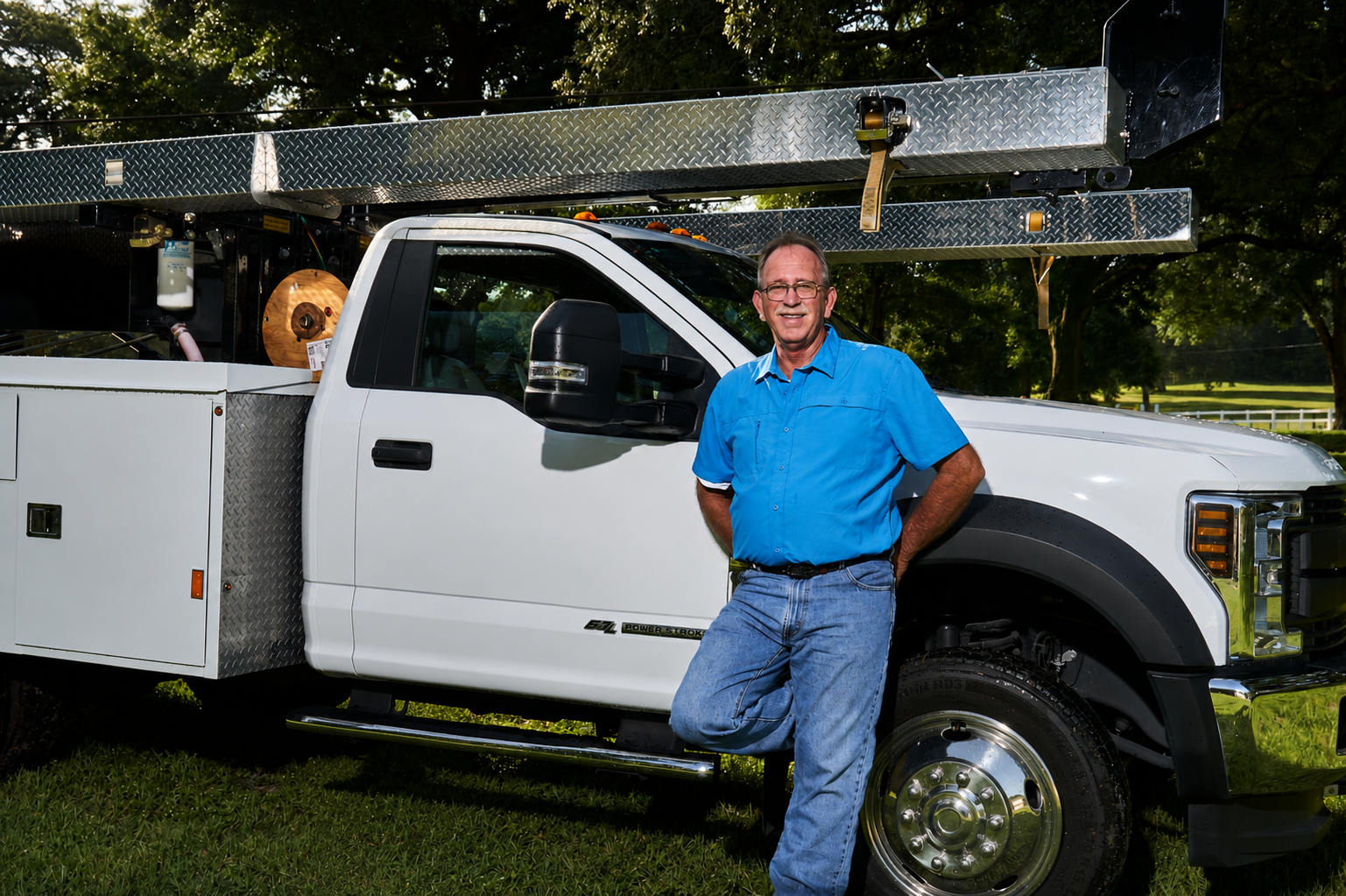
Well Pump Repair in Longwood, FL
Longwood is the oldest city in Seminole County, settled in the 1870s and incorporated in 1923, and many of its older lots and larger properties still draw water from private wells. Some of those wells feed the house, many feed the sprinklers, and all of them rely on a pump that nobody thinks about until it stops.
Pump Repair Services Apopka repairs well pumps, pressure tanks, and controls for Longwood homeowners and small businesses. We work on submersible, jet, and centrifugal pumps, and we answer the phone around the clock when a well quits on a weekend, a holiday, or the night before a house full of guests.
Wells here draw from two very different layers. The U.S. Geological Survey has monitored a 146-foot Floridan aquifer well in Longwood since the 1950s, while shallow irrigation wells often tap the surficial aquifer less than 50 feet down. Each depth calls for a different pump, so we diagnose the well before recommending one.
Importance of Regular Well Maintenance
Keeps Drinking Water Safe to Use
The Florida Department of Health recommends that private well owners test their water for bacteria and nitrate at least once a year, since no utility monitors a private well on the owner's behalf. A loose well cap, a cracked casing, or a nearby septic system can let contamination in without any change in taste or color. Pairing that yearly test with a look at the wellhead, the seal, and the pressure tank catches the conditions that allow contamination before anyone in the house drinks it.
Protects the Pump Motor
Most early pump failures start somewhere other than the pump. A bladder tank that has lost its air charge forces the motor to start and stop every few seconds, and each start heats the windings and wears the switch contacts. Checking the tank precharge, the pressure switch settings, and the amperage the motor draws takes one short visit. Correcting a weak tank costs far less than pulling a burned-out submersible from a deep Floridan well and replacing it.
Prepares the Well for Dry Seasons
Groundwater in Central Florida rises and falls with rainfall, and a well that produced plenty during a wet summer can struggle through a dry spring. The St. Johns River Water Management District notes that most loss of pressure and flow comes from shallow well depths or inadequate drop pipe, pumps, or tanks. Measuring the water level and confirming the pump sits deep enough ahead of the dry months keeps irrigation and household water flowing when demand peaks.
Limits Storm and Surge Damage
Central Florida summers bring frequent lightning, and a nearby strike can travel through power lines into a pump control box or a variable speed drive. The damage does not always show right away. A scorched capacitor, a pitted relay, or nicked insulation on the well wiring may keep working for weeks before the pump refuses to start. An inspection after a heavy storm season, along with proper grounding and surge protection, cuts down on sudden no-water calls.
Keeps Operating Costs in Check
A pump that runs longer than it should shows up on the electric bill before it shows up at the faucet. Worn impellers, a leaking drop pipe, or a stuck check valve all make the motor work harder to deliver the same amount of water. Periodic checks of run time, pressure recovery, and amperage reveal these losses early. Fixing a leak or replacing a worn part restores normal efficiency and keeps the rest of the system from wearing out ahead of schedule.
OUR REVIEWS
Our goal is to provide the best service and customer experience.
Common Well Pump Problems in Longwood
-
Pump Runs but No Water Reaches the Tap
A pump that hums or runs without delivering water has usually lost its connection to the supply. On a submersible, that can mean a split drop pipe or a broken coupling far down the well. On a jet or centrifugal pump, it often means lost prime from a leaking foot valve or suction line. Running dry overheats a pump quickly, so switching it off at the breaker and getting a proper diagnosis protects the motor from further damage.
-
Rapid Clicking at the Pressure Switch
A pressure switch that clicks on and off every few seconds signals short-cycling. The usual cause is a waterlogged bladder tank, though a clogged switch nipple or a small plumbing leak can do the same thing. In Florida, ants are a surprisingly common culprit, nesting between the switch contacts until they burn or stick. Left alone, short-cycling shortens the life of both the pressure switch and the pump motor it controls.
-
Sulfur Odor or Orange Staining
Rotten-egg odor and rust-colored stains are common with Central Florida well water. The odor comes from hydrogen sulfide gas or sulfur bacteria, while orange and brown stains on fixtures and driveways point to dissolved iron. Neither one usually means the pump has failed, but both can foul pressure tanks, clog screens, and wear down fixtures. Testing identifies the cause, and the right treatment system handles it where water enters the house.
-
Sand or Grit at the Faucets
Sand in the aerators or a gritty film in the toilet tank means the well is moving material it should not. A pump set too close to the bottom of the well, a damaged well screen, or a worn pump drawing harder than designed can all pull sand into the system. That sand acts like sandpaper on impellers, seals, and valves. Repositioning the pump, adding a sediment filter, or repairing the screen stops the wear before it spreads.
-
Breaker Trips After Storms
A well pump breaker that trips after a summer storm usually points to an electrical fault rather than a mechanical one. Lightning can damage the start capacitor, the relay in the control box, or the motor windings themselves, and a weak spot in buried wire may short out once rainwater reaches it. Resetting the breaker again and again risks more damage. Testing with a meter shows whether the fault sits in the control box, the wiring, or the pump.
Choose Pump Repair Services in Longwood, FL
Trusted by Longwood Homeowners
Longwood homeowners keep calling us back because the fix holds. Recent customers here have told us they went through several pump companies before us and that their well problems ended after one visit. Others mention how quickly we arrived and how clean we left the well area. We earn that with thorough diagnostics that find the actual cause instead of guessing, backed by decades of Central Florida well work.
Licensed and Insured Technicians
Every Longwood call is handled by our own licensed and insured technicians, trained to troubleshoot and repair or replace pumps on every type of water well. We work on residential, commercial, irrigation, and community well systems, so the same team can handle a house well in an older Longwood neighborhood and the irrigation well behind a small business. Whether the fault sits in the well, the pump, the plumbing, or the wiring, we trace it to the source.
Repairs Before Replacements
A failing well does not always need a new pump. Our diagnostics are thorough, so we can tell a worn pressure switch or a waterlogged tank apart from a motor that has reached the end of its life. When a repair will restore the water and pressure the home needs, we recommend the repair. That approach saves Longwood homeowners money over time by avoiding premature replacements and keeping working equipment in service.
Around-the-Clock Response
A dead well does not keep business hours, and neither do we. We answer calls 24 hours a day, 7 days a week, including nights, weekends, and holidays. From our base in Apopka, we cover Longwood along with nearby Altamonte Springs, Winter Springs, Casselberry, and Maitland. We also stand behind our work with a warranty, so no homeowner is left on their own once the repair is done.